Nature Information January-February 2026 - The return of migratory birds
24/02/2026

Nature Information, IDEEV’s monthly nature news, written by Maxime Hache, naturalist and scientific mediator at Ecologie, Société, Evolution .
Winter is the ideal season to observe birds, and especially those who are just passing through. Many migratory waterbirds make stops in temperate water points, and the IDEEV pools are no exception.
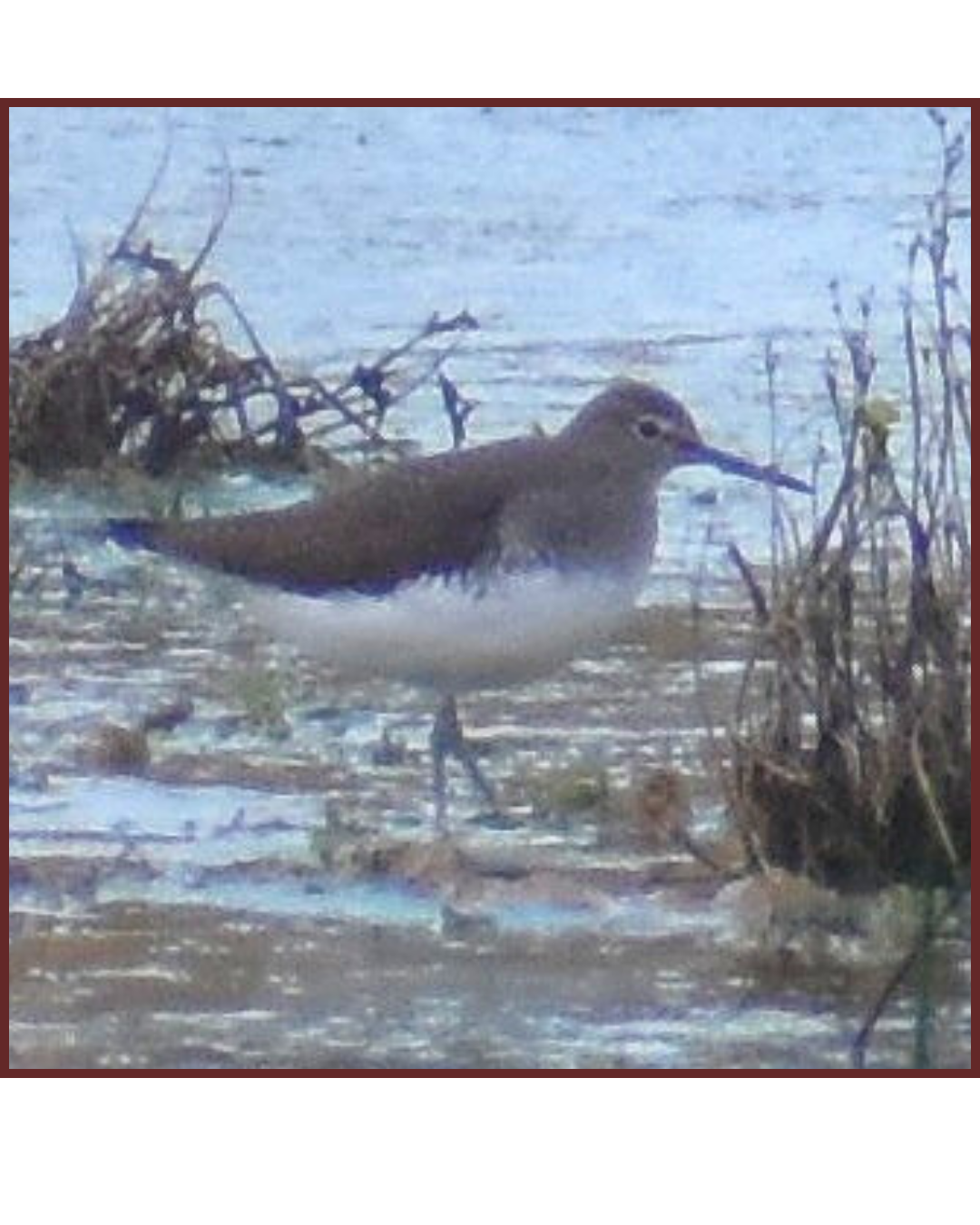
Green Sandpiper (Tringa ochropus)
The Green Sandpiper is recognized by its slightly more massive build than the other Sandpiper and by its very contrasted colors between the dark brown top and the white underside. But it is especially in flight that it is distinguishable with the underside of its dark wings and its alarm call. It is a shorebird that feeds on invertebrates in water points, even small size ones, unlike other Sandpipers. It nests in the taiga and wooded wetlands of northern Eurasia. It is a shy species and therefore difficult to approach.
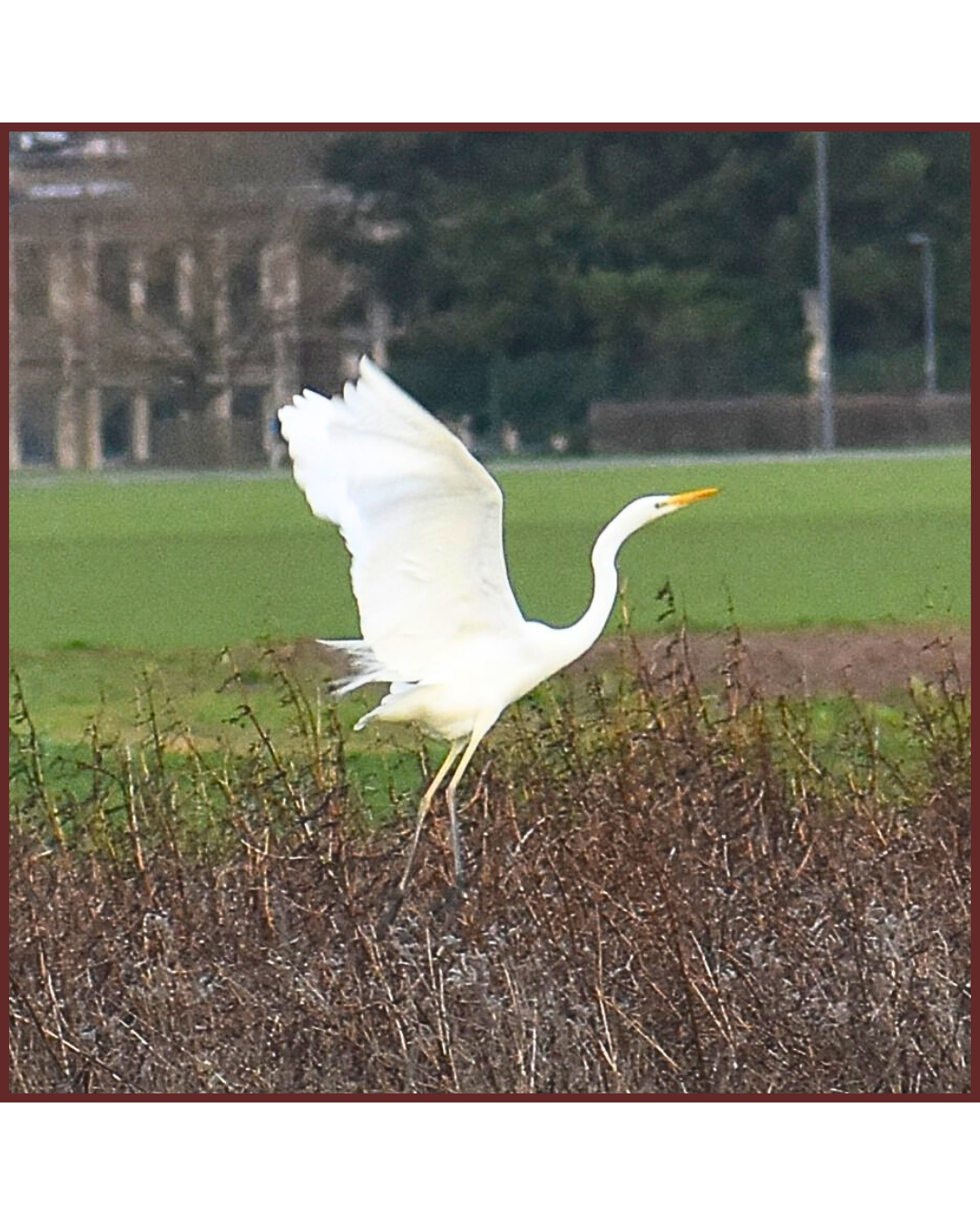
Great egret (Ardea alba)
The great egret is longer but less massive than the Grey Heron with which it is frequently found. Moreover, it is recognized by its white color and its orange beak that darkens during the breeding season. It shares the heron’s diet, which consists mainly of small fish but also small rodents, reptiles, amphibians and invertebrates, especially in winter when it is often found in the fields. Its populations are increasing in our region, which could reflect a change in migration patterns.
To listen to the bird’s calls or to get more information : oiseaux.net
Note: nature photographs may be more or less clear due to the fact that some shy birds move around a lot, depending on the weather, lack of light… Photos were taken nearby IDEEV