Nature Information April 2026 : Biodiversity bloom
22/04/2026

Nature Information, IDEEV’s monthly nature news, written by Maxime Hache, naturalist and scientific mediator at Ecologie, Société, Evolution .
New species of insects, birds and plants appear in April. Some very early species are already looking for reproduction sites and the water points behind IDEEV may be chosen by some of them.
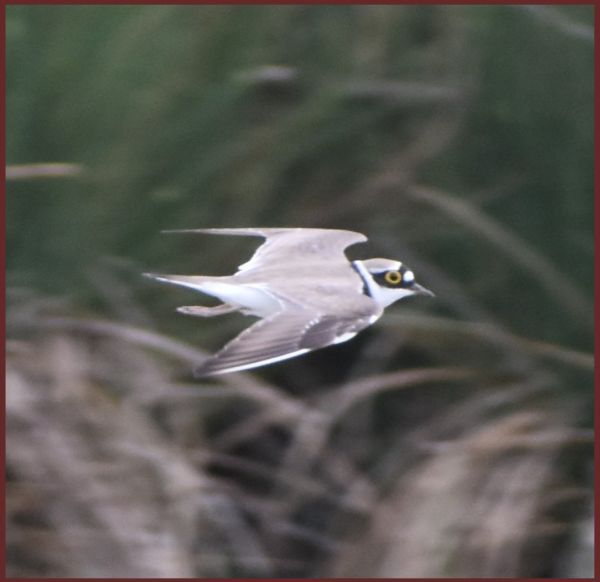
Little Ringed Plover (Charadrius dubius) Recognizable by its yellow-ringed eye, its appearance and its small size, the little ringed plover is a shorebird known for its atypical fast running. It is much less gregarious than other closely related species and hunts many invertebrates on sight by the water’s edge. After a spectacular mating display both in flight and on the ground, eggs are laid on the ground surrounded by some pebbles or herbs.
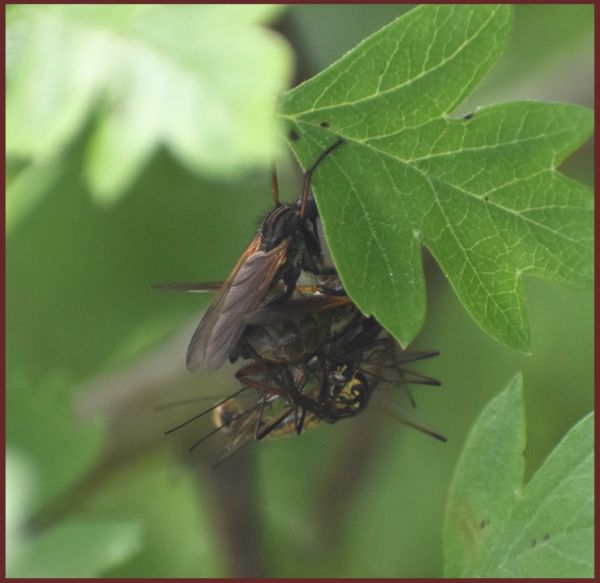
Common dance fly (Empis tessellata) The common dance fly is recognizable by its very small head with a long proboscis and its smoky yellow-orange wings. It feeds on nectar but also on other insects (especially other Diptera), particularly during its courtship parade where the male gives a nuptial gift to the female (here a cranefly).
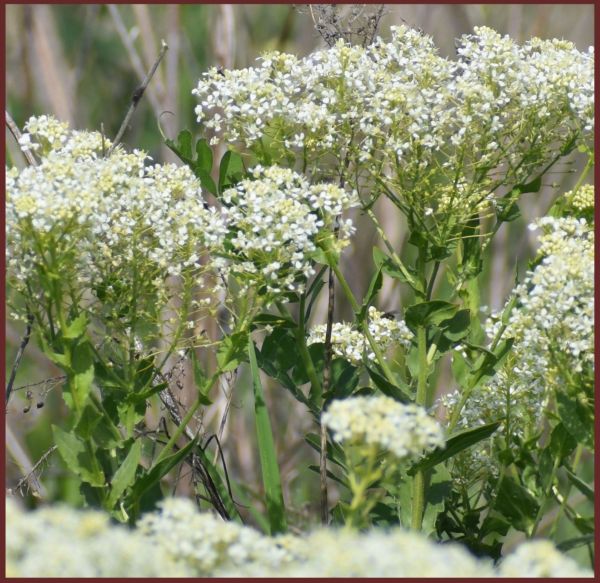
Hoary Cress (Lepidium draba) Hoary Cress is a plant in the Brasicaceae’s family, which as such attracts many bugs that are particularly found on this type of plant. For example three species of true bugs of the Eurydema genus are regularly observed around the IDEEV on this plant. There are also pollinators on its large white inflorescence, which allows it to be recognized. The leaves are also characteristic of this species.
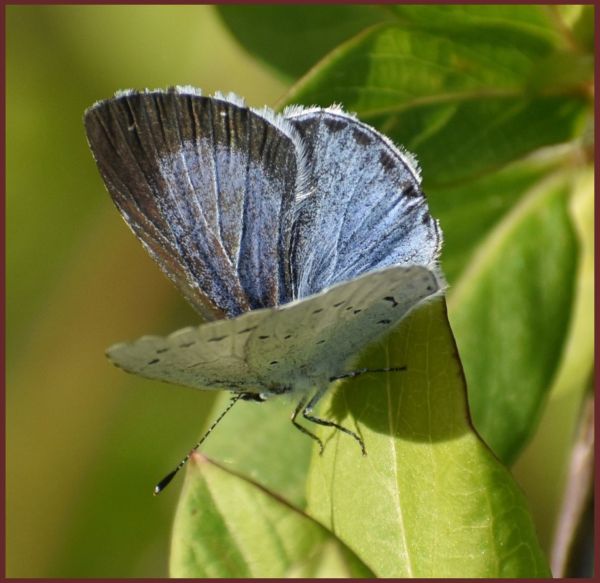
Holly blue (Celastrina argiolus) The holly blue is recognizable by the silvery back of its wings as well by the black band at the tip of its wings, which is much more pronounced in the female shown here. Contrary to what its french name “buckthorn blue butterfly” might suggest, the Holly blue is not a specialist of the buckthorn, even though its caterpillar is frequently found on it. It has indeed a very wide range of hosts with for example include : redcurrant, ivy, holly, dogwood and bramble. The caterpillar is cared for by various species of ants, notably from the genus Lasius.
Note: nature photographs may be more or less clear due to the fact that some shy birds move around a lot, depending on the weather, lack of light… Photos were taken nearby IDEEV
Nature Information January-February 2026
Photo copyright : Maxime Hache - ESE